
Saudi Arabia Tour Packages for First-Time Visitors: Everything You Need to Know
Saudi Arabia Tours Packages: First-Time Visitor Guide
Planning your inaugural trip to Saudi Arabia tour packages may resemble the experience of delving into a book where many intriguing chapters have only recently opened up to international visitors. The Kingdom is vast, culturally rich, and surprisingly diverse, featuring modern city skylines, ancient archaeological wonders, beaches along the Red Sea, mountain communities, desert terrains, historic districts, and some of the most important religious sites worldwide. This diversity is precisely why selecting appropriate Saudi Arabia tour packages can greatly impact your experience. Rather than spending countless hours trying to piece together destinations, accommodations, transportation, activities, and sightseeing independently, a thoughtfully curated package can consolidate those elements into a single, cohesive itinerary. Saudi Arabia’s tourism sector is experiencing significant growth: based on the Ministry of Tourism’s 2025 annual report, the kingdom welcomed approximately 123 million visitors, both domestic and international, and saw around SAR 304 billion in tourism expenditures in 2025. For those visiting for the first time, this development offers an abundance of tourism facilities, experiences, lodging, and organized travel choices like never before forSaudi Arabia tour packages.
Why Saudi Arabia Should Be on Your Travel List
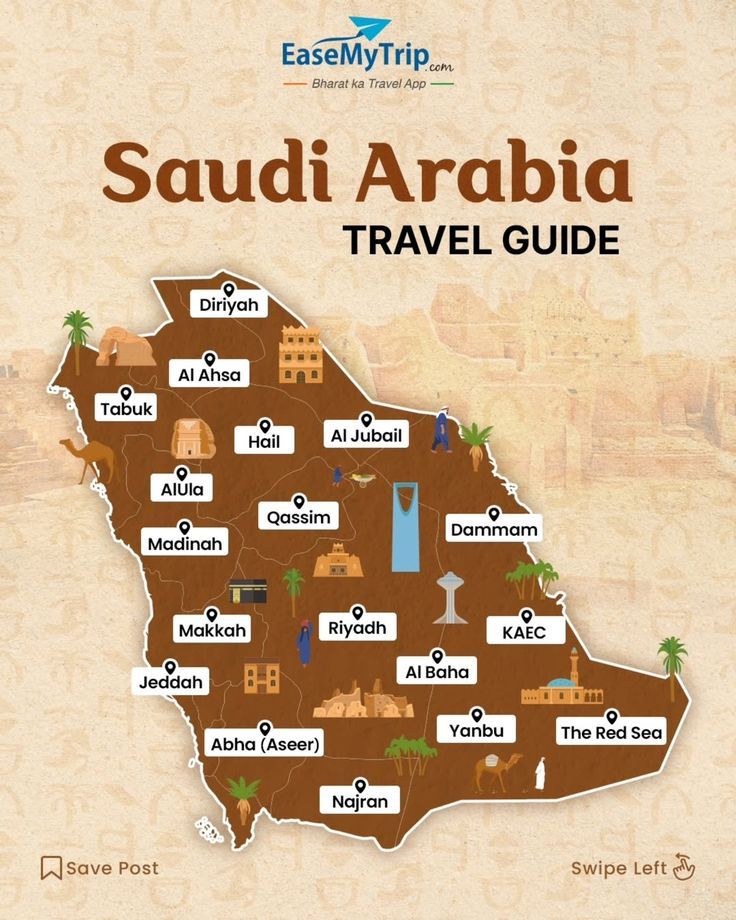
Saudi Arabia tour packages has transformed into a leisure destination that should no longer be associated solely with business trips or religious visits. Travelers can now spend their days exploring ancient Nabataean archaeological sites and their evenings in modern entertainment districts, enjoying traditional Saudi cuisine, or unwinding by the Red Sea. The official Visit Saudi destination guide showcases various locations, including Riyadh, Jeddah, AlUla, Aseer, Taif, Al Ahsa, Diriyah, Tabuk, Hail, Jazan, Yanbu, and the Red Sea, highlighting the Kingdom’s geographical diversity. For first-time visitors, this variety is both thrilling and can present a challenge when it comes to planning: where should you go?
A good Saudi Arabia tour package solves that problem by giving your journey a logical rhythm. You might begin in Riyadh but never forget to carry health kit for better experience the country’s modern capital and historic roots, continue to AlUla for dramatic desert scenery and archaeological heritage, then head to Jeddah for the Red Sea atmosphere and historic Al-Balad district. Depending on the length of your trip, you can add a mountain destination such as Aseer or Taif, a coastal escape, or a religious itinerary where applicable. Think of your itinerary as a carefully edited playlist rather than trying to listen to every song at once. Your first trip does not need to cover the entire Kingdom; it needs to give you enough variety to understand why Saudi Arabia is becoming such an intriguing destination.
A Destination That Combines Tradition and Modernity
One of the most memorable things about Saudi Arabia is the contrast between old and new. In Saudi Arabia tour packages we cover Riyadh, glass towers, luxury hotels, shopping centers, restaurants, and contemporary cultural venues exist alongside historic neighborhoods and traditional architecture. In Diriyah, the story changes again, with mud-brick architecture and the heritage of At-Turaif providing a window into the Kingdom’s past. Jeddah offers another personality, combining a cosmopolitan Red Sea atmosphere with the historic architecture of Al-Balad. Then there is AlUla, where ancient monuments appear to rise naturally from an enormous sandstone landscape.
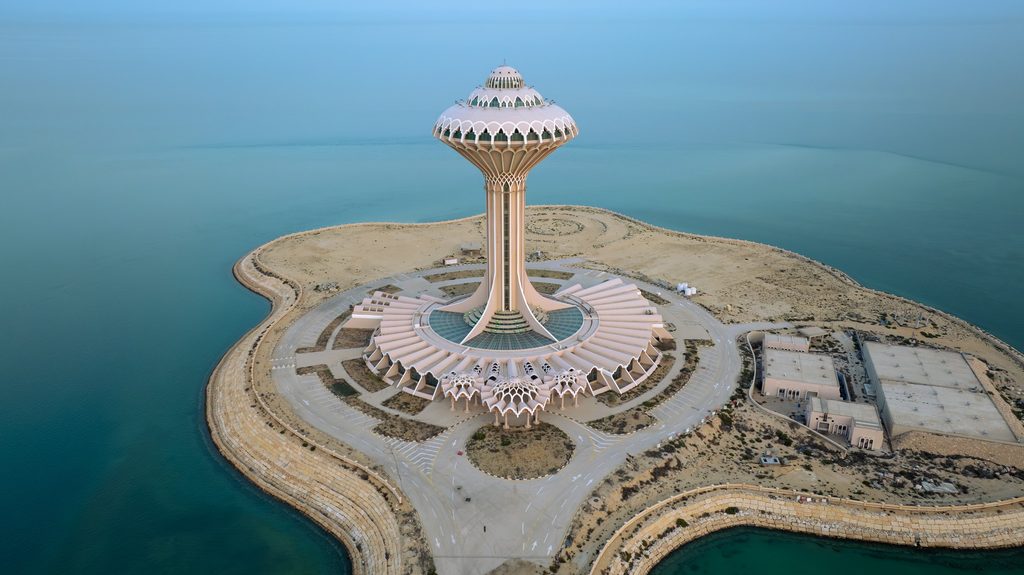
That contrast makes Saudi Arabia particularly rewarding for travelers who want more than conventional sightseeing. You are not simply moving from one monument to another; you are watching a country connect its history with a rapidly developing tourism future. The official tourism platform describes Saudi Arabia through themes such as nature, culture and history, shopping, adventure, beaches, food, entertainment, and luxury, and its current destination listings reflect that broad range. This is also why Saudi Arabia tours packages can be built around different travel personalities. A history enthusiast might prioritize Riyadh, Diriyah and AlUla, while a luxury traveler may prefer a combination of Riyadh, the Red Sea and AlUla. A family could emphasize attractions, food and comfortable city stays, while an adventure traveler might spend more time in Aseer, Tabuk or desert areas.
What to Expect From Saudi Arabia Tours Packages
Not every Saudi Arabia tour package is designed in the same way, so reading the itinerary carefully matters. Some packages are structured around major cities and include hotels, airport transfers, sightseeing tours and transportation between destinations. Others are more experience-focused and may emphasize AlUla, desert excursions, cultural activities, diving, luxury resorts, or specific events. Saudi Arabia’s official tourism platform currently promotes packages that can combine flights, hotels and tourist eVisa services, with destinations including Riyadh, Jeddah, AlUla and the Red Sea. That makes packaged travel increasingly practical for international visitors who prefer having major arrangements organized before departure.
For a first trip, look beyond the headline price. A package that appears inexpensive may exclude airport transfers, attraction tickets, meals, domestic flights, travel insurance, local guides, or important excursions. Conversely, a package that costs more may include private transportation, better-located hotels, guided experiences, and fewer logistical headaches. Before booking, compare the number of hotel nights, room category, transportation method, sightseeing inclusions, meals, visa assistance, cancellation conditions, and whether the itinerary leaves enough free time. Your ideal package should feel like a helpful travel framework, not a military schedule. If every hour is booked, you may technically see more places but enjoy less of them.

Guided, Private, and Custom Tour Options
First-time visitors generally have three broad approaches: group tours, private tours, or customized itineraries. Group packages are often attractive because they can lower costs and make transportation and sightseeing straightforward. You follow a predetermined schedule and meet other travelers along the way, which can be especially convenient if you are unfamiliar with the country. Private tours cost more but give you considerably more flexibility, particularly if you are traveling with family or have specific interests. You can spend longer at a site that fascinates you, change the pace of a sightseeing day, or arrange a more personalized experience.
Custom tours are useful when you already know what kind of Saudi Arabia experience you want. Imagine, for example, that you want three nights in Riyadh, two nights in AlUla, two nights in Jeddah, and a beach extension rather than a traditional one-size-fits-all itinerary. A customized Saudi Arabia tour package can be designed around that preference. For first-time travelers, the most important question is not whether private or group travel is inherently better; it is whether the package matches your travel style. Someone who enjoys independence may become frustrated by a rigid group itinerary, while someone who dislikes logistics may find a self-planned trip unnecessarily complicated.
Best Time to Visit Saudi Arabia
Timing can dramatically change your Saudi Arabia experience because the Kingdom covers a vast area and temperatures can vary significantly by region and season. For many first-time visitors, the cooler months are the easiest period for combining major cities, outdoor sightseeing, desert activities, and archaeological attractions. Winter can be particularly appealing for exploring Riyadh and AlUla because outdoor activities are generally more comfortable than during the intense summer heat. Mountain destinations such as Aseer and Al Baha have their own climatic character and can offer a different experience from the central desert regions.
That does not mean summer travel is impossible. It simply requires a different strategy. You may want to plan outdoor sightseeing around mornings and evenings, select hotels with strong indoor facilities, and spend more time on air-conditioned attractions or coastal resorts. Your destination mix also matters. A schedule that works beautifully in Riyadh may not feel identical in Jazan, Aseer, AlUla, or the Eastern Province. Before booking, check the expected weather for each destination rather than looking at a single national average. A flexible itinerary is often the difference between saying, “Saudi Arabia was too hot,” and saying, “We simply planned our days around the climate.”
Choosing the Right Season for Your Itinerary
Your ideal travel season should be based on what you actually want to do. If your priority is desert exploration, archaeological sightseeing, walking tours and outdoor photography, cooler weather is generally more comfortable. If you are primarily interested in resorts, shopping, dining, museums and indoor entertainment, you have greater flexibility. Events and festivals can also influence your choice, so check the official Saudi tourism calendar before finalizing dates. The country’s tourism offering changes throughout the year, and major events can affect accommodation availability and prices.
Another consideration is religious travel. If your trip includes Umrah, make sure your visa and travel arrangements are appropriate for the purpose of your visit and check current regulations before departure. The official tourist visa information states that eligible tourist eVisa holders can undertake Umrah, while Hajj is excluded from the tourist visa. Regulations and seasonal restrictions can change, so travelers should always verify current requirements through official Saudi government or tourism sources rather than relying on an old blog post. This is especially important around Hajj season, when access and visa conditions can differ from ordinary tourism travel.
Saudi Arabia Tourist Visa Requirements
Visa requirements depend on your nationality and the type of travel you are undertaking. The official Saudi eVisa portal currently states that citizens of eligible countries can apply online, and its published terms identify the eVisa as a multiple-entry tourist authorization with a one-year validity and a maximum stay of up to 90 days, subject to the conditions of the specific visa issued. The official portal also states that applicants need a passport with at least six months of validity remaining at the time of entry. Because eligibility lists and requirements can change, check the official visa portal before paying for flights or a non-refundable package.
The application process is designed to be straightforward: complete the application, pay the applicable fee, and receive the online visa if approved. However, approval is not the same thing as a guaranteed right of entry. The official terms explain that entry remains subject to meeting the applicable conditions at the border and the decision of immigration authorities. Travelers whose nationalities are not covered by the eVisa system may need to use a Saudi diplomatic mission or another applicable visa route. The Saudi national platform also notes that holders of certain valid US, UK, or Schengen visas may qualify for visa-on-arrival arrangements under specified conditions. Always verify the current rules for your passport before relying on such an arrangement.
eVisa Eligibility and Entry Basics
A smart first-time traveler should treat visa planning as the foundation of the trip rather than an afterthought. Your passport validity, nationality, visa type, entry route and travel purpose all need to align. The official Visit Saudi FAQ, updated in January 2026, provides current guidance on tourist visas, entry requirements, Umrah, insurance, Makkah and Madinah access, GCC residents and other common visitor questions. If you are booking through a tour operator, ask whether visa assistance is included or whether you are expected to apply independently.
Keep a digital and accessible copy of your approved visa and travel documents. Use the same passport for travel that you used in the application, because the official eVisa terms specifically require that the traveler arrive using the passport associated with the visa. It is also sensible to confirm your hotel’s address, onward travel details and insurance information before departure. None of these steps is particularly complicated, but together they remove the small uncertainties that can make an international arrival unnecessarily stressful.
How Many Days Do You Need in Saudi Arabia?
For a first visit, seven to ten days is a useful starting point if you want to experience more than one region without spending the entire trip in transit. A short four- or five-day trip can work well if you concentrate on a single city, such as Riyadh or Jeddah. A seven-day itinerary could combine Riyadh and AlUla, while ten to fourteen days gives you much more room to add Jeddah, the Red Sea, Aseer or another destination. Saudi Arabia is large, so trying to squeeze Riyadh, Jeddah, AlUla, the mountains, the Red Sea and religious destinations into a few days can leave you feeling like you spent your vacation inside airports and cars.
A useful strategy is to select two or three “anchor” destinations and build around them. For example, a history-focused traveler could choose Riyadh, Diriyah and AlUla. A traveler who loves food and culture might choose Riyadh and Jeddah, adding AlUla for scenery. A luxury-focused itinerary could combine Riyadh, AlUla and the Red Sea. The right number of days depends less on a magic formula and more on how much time you want to spend actually experiencing each destination.
Riyadh: The Best Starting Point for First-Time Visitors
Riyadh is an excellent introduction to contemporary Saudi Arabia because it puts the Kingdom’s transformation directly in front of you. The capital combines modern architecture, shopping, restaurants, cultural attractions, entertainment venues and historic areas, creating an itinerary that can appeal to very different types of travelers. You can spend a morning exploring heritage, an afternoon visiting a modern attraction and an evening enjoying Saudi cuisine or the city’s contemporary dining scene. The official Visit Saudi destination information categorizes Riyadh around culture and history, nature and shopping, reflecting that broad mix.
For first-time visitors, Riyadh also makes a useful logistical base. International flights, hotels and transportation options are plentiful, and the city provides a comfortable introduction before moving into more remote destinations. Spend enough time here to understand the city rather than treating it purely as a transit point. If you arrive, sleep, take one rushed tour and leave the next morning, you may miss the personality of the capital entirely. Two or three nights can provide a much more balanced introduction, particularly when combined with a visit to nearby Diriyah.
Diriyah and Riyadh’s Cultural Highlights
Diriyah is one of the places that helps explain Saudi Arabia’s historical identity. The heritage area of At-Turaif, with its distinctive mud-brick architecture, provides a very different visual experience from the modern Riyadh skyline. Walking through historic surroundings can make the country’s transformation easier to understand because you are literally moving between layers of history and contemporary development. For travelers interested in architecture, history, culture and photography, Diriyah deserves more than a quick drive-by.
Give yourself time to explore rather than treating heritage sites as items to tick off a checklist. Visit when the weather is comfortable, take your time with the architecture, and consider combining the cultural visit with a meal or evening experience in the wider Diriyah area. The result is more memorable than simply taking photographs and leaving. This is also a good example of why Saudi Arabia tours packages should leave some breathing room in the schedule: heritage experiences often reward curiosity, and curiosity does not operate on a stopwatch.
Jeddah: Where History Meets the Red Sea
Jeddah feels different from Riyadh almost immediately. Its relationship with the Red Sea has shaped its history, economy, food culture and atmosphere, while its historic center gives visitors a chance to explore traditional urban architecture. Al-Balad is particularly important for travelers interested in history and heritage, with its old buildings, narrow streets and distinctive architectural details providing a completely different experience from modern commercial districts. Jeddah also works well as a food destination, especially for visitors interested in experiencing regional Saudi dishes alongside international cuisine.
The city is also a natural gateway to Red Sea experiences. Depending on your package and season, you can combine cultural sightseeing with coastal activities, relaxation, diving or marine experiences. That combination makes Jeddah especially useful in a multi-city itinerary. Instead of thinking of it as simply another large Saudi city, think of Jeddah as the bridge between Saudi Arabia’s historic trading culture and its modern Red Sea tourism ambitions.
AlUla: The Unmissable Ancient Landscape
If there is one destination that frequently becomes the visual centerpiece of a first Saudi Arabia trip, it is AlUla. The landscape alone is extraordinary: enormous sandstone formations, desert valleys and archaeological remains create a setting that feels almost cinematic. Yet AlUla is more than scenery. It is an important cultural and historical destination, and its tourism development has created opportunities for guided archaeological visits, desert experiences, cultural activities and high-end hospitality.
The official Visit Saudi destination guide categorizes AlUla around nature, culture and history, and beauty and relaxation, which captures its unusual combination of heritage and landscape. A first-time visitor should resist the temptation to visit AlUla for only a few hours. Its attractions are spread across a broad landscape, and the experience improves when you have enough time to appreciate both the archaeological sites and the surrounding environment. Two or three nights can make a significant difference, particularly if your package includes guided experiences.
Hegra and AlUla’s Desert Experiences
Hegra is one of AlUla’s most famous attractions and an essential stop for travelers fascinated by ancient civilizations. The monumental tombs carved into sandstone formations provide a powerful reminder that this region was once connected to major trade routes and sophisticated societies. A knowledgeable guide can add considerable value because the rocks themselves cannot tell you the entire story. Understanding why the site mattered, how people lived and how the landscape influenced settlement transforms a beautiful photograph into a meaningful historical experience.
AlUla also gives you an opportunity to experience the desert rather than simply look at it through a vehicle window. Depending on your chosen package and current availability, experiences can include guided excursions, cultural activities, scenic viewpoints and adventure-oriented activities. Because some experiences are seasonal or require advance booking, check what is actually included in your package before arrival. A common mistake is assuming that “AlUla tour” automatically includes every major attraction and activity; it does not.
The Red Sea and Saudi Arabia’s Coastal Escapes
Saudi Arabia’s Red Sea coastline represents another side of the Kingdom’s tourism development. Travelers can find opportunities for beaches, water activities, marine experiences, luxury resorts and relaxation, depending on the destination and operating season. The official Saudi tourism platform identifies the Red Sea as a destination associated with nature, luxury and adventure. For someone coming from a busy city itinerary, a few days on the coast can provide valuable contrast.
A good itinerary alternates intensity. Spending three consecutive days moving between archaeological sites and long-distance transfers can become exhausting, no matter how beautiful the destinations are. Adding a coastal stay creates a natural pause where you can slow down. If your idea of a holiday involves premium resorts and peaceful surroundings, look for packages specifically designed around Red Sea stays rather than simply adding one beach night to a packed city itinerary.
Aseer, Taif, and the Mountain Side of Saudi Arabia
Many first-time visitors associate Saudi Arabia entirely with deserts, but the country’s mountainous destinations challenge that assumption. Aseer, in the southwest, is known for mountainous scenery, distinctive cultural traditions and a different environmental character. Taif, located in the mountains near Makkah, is another destination that can provide a cooler highland experience compared with lower-lying areas. The official destination listings classify Aseer around culture, history, nature and adventure, while Taif combines culture, history, nature and adventure.
These destinations are particularly attractive if you have more than a week available and want to see a side of Saudi Arabia beyond the major cities. They can also be excellent choices for repeat visitors who have already experienced Riyadh, Jeddah and AlUla. If your first trip is short, however, do not force a mountain destination into the itinerary simply because it looks interesting on a map. Long travel distances can turn a beautiful destination into a rushed stop. Choose fewer places and experience them properly.
Makkah and Madinah for Eligible Religious Travelers
Makkah and Madinah are among the world’s most important religious destinations for Muslims, and they require special consideration when planning a Saudi trip. Travelers visiting for religious purposes should confirm the correct visa, current access requirements and seasonal regulations before booking. The official Saudi tourist visa information confirms that the tourist eVisa can permit Umrah but not Hajj, subject to the applicable conditions. Non-Muslims are also not permitted to enter the Holy Mosque and its premises in Makkah or the Prophet’s Mosque and its premises in Madinah, as stated in the official eVisa terms.
Religious travel should be planned differently from a conventional sightseeing holiday. Rather than trying to combine too many tourist attractions into a single day, allow time for worship, rest and transportation. Seasonal restrictions around Hajj are especially important, and travelers should consult official sources for the exact rules applying to their dates. If a package advertises religious travel, verify precisely what visa category, hotel arrangements, transportation and guidance are included before making payment.
Saudi Arabian Food Every First-Time Visitor Should Try
Food can be one of the easiest ways to understand a destination, and Saudi Arabia gives first-time visitors plenty to explore. Traditional meals often feature rice, meat, spices, dates, bread, sauces and slow-cooked preparations, with regional differences adding variety. Dishes such as kabsa and other rice-based meals are obvious starting points, but do not stop there. Try traditional breads, dates, Saudi coffee, grilled meats, soups, desserts and regional specialties as you move between cities.
Food also provides an easy way to slow down your itinerary. Instead of treating dinner as something you squeeze between attractions, make it part of the experience. Ask your guide or hotel staff where locals enjoy traditional food, and be willing to try something unfamiliar. Riyadh, Jeddah and other major cities also offer sophisticated contemporary dining, meaning you can alternate between traditional Saudi meals and international cuisine. A memorable trip is rarely made entirely from famous landmarks; sometimes the meal you almost did not order becomes the story you tell everyone at home.
Transportation and Getting Around Saudi Arabia
Saudi Arabia’s size makes transportation an important part of itinerary planning. Major cities are connected by domestic flights and road networks, while private transfers and organized excursions are useful for destinations where attractions are spread across large areas. Your choice should depend on the route rather than simply choosing the cheapest option. A short domestic flight may save an entire day compared with a long road journey, while a private vehicle may make more sense when exploring several nearby attractions.
This is one area where a well-designed Saudi Arabia tour package can save substantial effort. Instead of figuring out every transfer independently, the package can coordinate airport pickups, hotel transfers and sightseeing transportation. Before booking, ask exactly what transportation is included. “Transfers included” might mean airport transfers only, while intercity travel is charged separately. If you are planning to rent a car, consider driving distances, local road conditions, parking and the amount of sightseeing you intend to do. First-time travelers often underestimate just how much time can disappear between destinations.
Where to Stay During Your Saudi Arabia Tour
Accommodation should match the purpose of each destination. In Riyadh and Jeddah, you can choose from business hotels, international chains, boutique properties and luxury accommodations across different neighborhoods. In AlUla, the accommodation itself can become part of the experience, particularly if you choose a property that emphasizes desert surroundings, local design or luxury. Coastal destinations naturally lend themselves to resort-style stays, while mountain destinations may offer a more relaxed atmosphere.
Location is just as important as hotel rating. A beautiful hotel that requires long daily drives can be less convenient than a slightly simpler property located near the attractions you want to visit. When comparing Saudi Arabia tour packages, check the actual hotel names and locations whenever possible. Look at the number of nights, room category, breakfast arrangements and cancellation terms rather than judging the package solely by its advertised star rating. The best hotel is the one that supports your itinerary, not necessarily the one with the most impressive lobby.
What to Wear and Local Etiquette
First-time visitors should approach Saudi Arabia with respect for local customs and public etiquette. Dress comfortably but modestly, particularly when visiting religious or culturally significant locations. While the country has become more accessible to international tourists, cultural awareness remains important. Pay attention to photography rules, ask permission before photographing people, and follow instructions at religious sites and heritage locations.
It is also useful to remember that Saudi Arabia is not culturally identical from one city to another. Local traditions, food, architecture and social environments can vary considerably. A respectful traveler does not need to understand every custom before arriving; they simply need to remain observant and willing to adapt. Think of cultural etiquette as a form of travel currency: the more respectfully you interact with people, the richer your experience tends to become.
How Much Do Saudi Arabia Tours Packages Cost?
There is no single price for a Saudi Arabia tour package because costs depend heavily on duration, hotel category, destinations, transportation, season, group size and included experiences. A short city break will naturally cost less than a multi-city itinerary with domestic flights, private transfers, luxury accommodation and guided excursions. AlUla and premium Red Sea experiences can also increase the overall budget. Rather than searching for the cheapest package, establish what you actually need and compare packages on an equal basis.
A useful comparison table should look beyond the advertised headline price:
| Package Feature | Budget Package | Mid-Range Package | Premium Package |
|---|---|---|---|
| Accommodation | Simple hotels | Comfortable 3–4 star hotels | Luxury 4–5 star properties |
| Transportation | Shared or basic transfers | Organized private/shared transfers | Private chauffeur or premium transfers |
| Sightseeing | Selected attractions | Major attractions and guided tours | Private and exclusive experiences |
| Meals | Limited | Breakfast and selected meals | More extensive dining options |
| Flexibility | Lower | Moderate | High |
| Best For | Cost-conscious travelers | First-time visitors | Luxury and convenience travelers |
The most important question is what you are paying for. A package with a higher upfront cost may actually represent better value if it includes airport transfers, domestic transportation, entrance fees, experienced guides and centrally located hotels. Conversely, an expensive package can still be poor value if many essential expenses are excluded. Ask for a complete list of inclusions and exclusions before paying a deposit.
How to Choose the Right Saudi Arabia Tour Package
Start by deciding what you want your trip to feel like. Do you want history, culture, luxury, adventure, beaches, food, religious travel, or a combination? Once you answer that question, destination selection becomes much easier. A first-time traveler who wants a broad overview might choose Riyadh, AlUla and Jeddah. Someone focused on heritage could spend more time around Riyadh, Diriyah and AlUla. A luxury traveler might prioritize AlUla and the Red Sea.
Then examine the practical details. Check whether the package includes visa support, accommodation, breakfast, airport transfers, intercity transportation, attraction tickets, guides, domestic flights and travel insurance. Check cancellation terms as well. Finally, make sure the itinerary gives you enough time to enjoy each destination. The best package is not the one with the longest list of attractions; it is the one where the journey makes sense from the moment you land until the moment you fly home.
Common First-Time Visitor Mistakes to Avoid
The first mistake is trying to see too much. Saudi Arabia is geographically huge, and adding every famous destination to a one-week itinerary can turn a holiday into a transportation marathon. The second mistake is ignoring the climate when planning outdoor activities. The third is assuming that every tour package includes everything shown in its promotional material. Always distinguish between “available,” “recommended,” and “included.”
Another common mistake is relying on outdated visa information. Saudi tourism rules and entry requirements can change, so check official sources shortly before departure. The official Visit Saudi platform maintains current visa guidance and a help center for travelers. Finally, do not treat cultural etiquette as an obstacle. Approach the country with curiosity instead of assumptions. A little preparation about dress, photography, religious sites, public behavior and local customs can make your trip significantly smoother.
Conclusion
Saudi Arabia has become one of the most interesting emerging destinations for travelers who want something different from the standard international holiday. Its appeal lies in its variety: futuristic Riyadh, historic Diriyah, coastal Jeddah, extraordinary AlUla, the mountains of Aseer and Taif, Red Sea escapes, and important religious destinations all offer distinctly different experiences. The Kingdom’s tourism growth is substantial, with the Ministry of Tourism reporting approximately 123 million inbound and domestic tourists in 2025, alongside record tourism spending of around SAR 304 billion. Those numbers reflect a destination undergoing a remarkable transformation.
For a first-time visitor, the smartest approach is not to chase every attraction. Choose a sensible number of destinations, select a package that matches your interests, verify the latest visa requirements, allow realistic travel time and leave room for spontaneous discoveries. Saudi Arabia tours packages can make that process much easier when they combine the right hotels, transportation, sightseeing and local experiences. Whether you are drawn by ancient history, desert landscapes, modern cities, food, luxury resorts or cultural discovery, Saudi Arabia offers enough variety to make a first trip memorable—and enough depth to make you want to return.
FAQs
1. What are the best Saudi Arabia tours packages for first-time visitors?
For most first-time visitors, a multi-city package covering Riyadh, AlUla and Jeddah offers an excellent introduction. It combines modern city life, Saudi heritage, ancient archaeological landscapes and the Red Sea atmosphere. Travelers with more time can add Aseer, Taif or a Red Sea resort stay.
2. How many days should I spend in Saudi Arabia?
Seven to ten days is a practical starting point for a first visit covering multiple destinations. Five days can work for a single-city or two-destination trip, while ten to fourteen days gives you enough time to travel at a more relaxed pace and include additional regions.
3. Can tourists use a Saudi tourist eVisa for Umrah?
Eligible tourist eVisa holders may perform Umrah, subject to the applicable rules, but the tourist visa does not permit Hajj. Because religious travel rules can change according to season and current regulations, verify the requirements before booking.
4. What are the best places to visit in Saudi Arabia for a first trip?
Riyadh, Diriyah, AlUla and Jeddah are strong choices for a first visit because they provide a broad mix of culture, history, modern attractions, architecture and scenery. If you have additional time, consider Aseer, Taif, the Red Sea or another destination based on your interests.
5. Are Saudi Arabia tours packages worth booking?
They can be particularly useful for first-time visitors because they can combine accommodation, transportation, sightseeing and other arrangements into one itinerary. Compare the detailed inclusions rather than simply choosing the lowest price. A package with reliable transportation and well-planned hotels can save significant time and reduce the logistical work involved in organizing a large country independently.